Trump's Iran Infrastructure Threat and the Limits of Presidential War Rhetoric
From military targets to civilian systems — Trump's escalating threats against Iran's energy, port, and power infrastructure expose fault lines between presidential war rhetoric, U.S. targeting doctrine, and Rubio's fragile back-channel diplomacy.
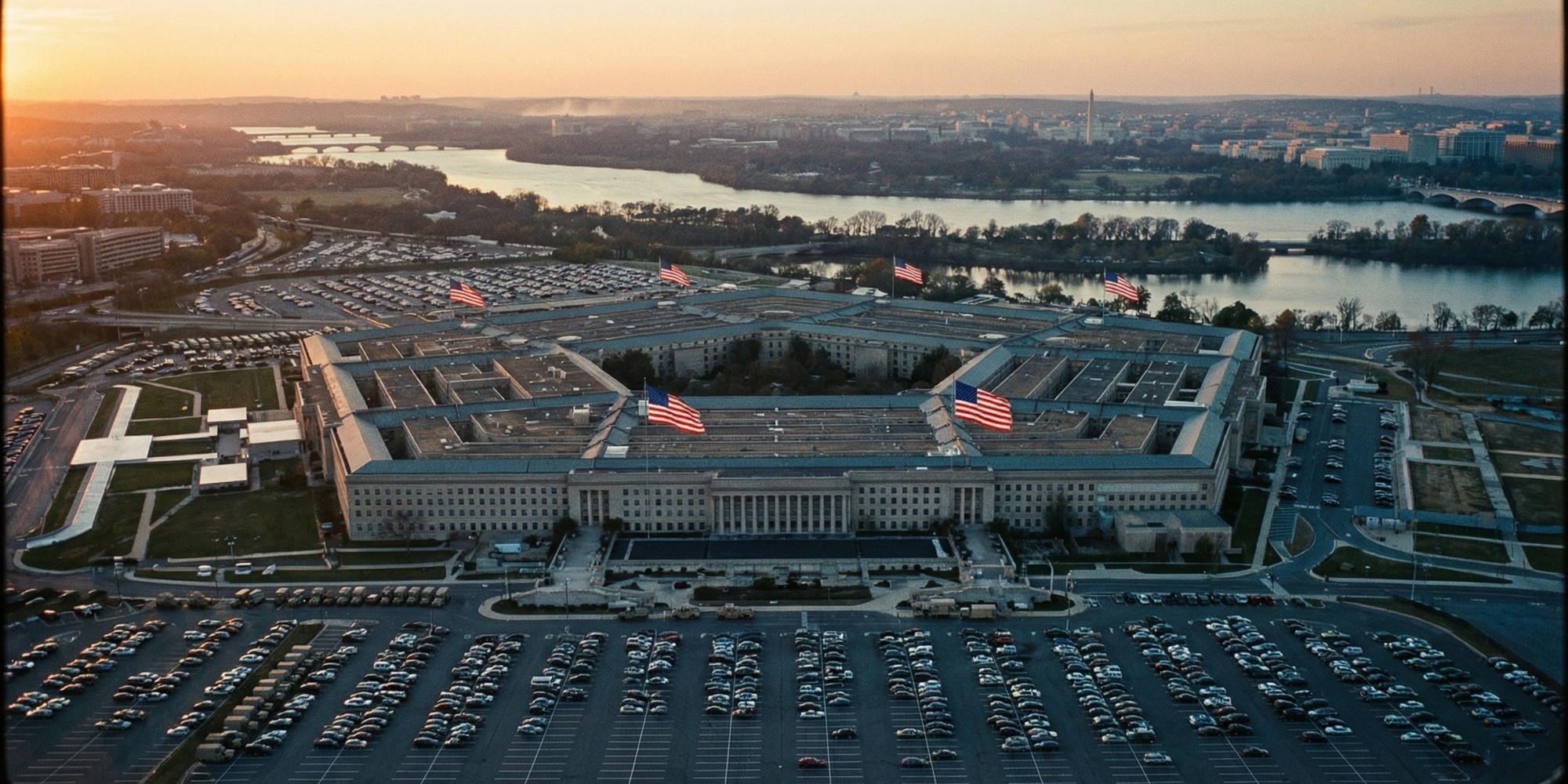
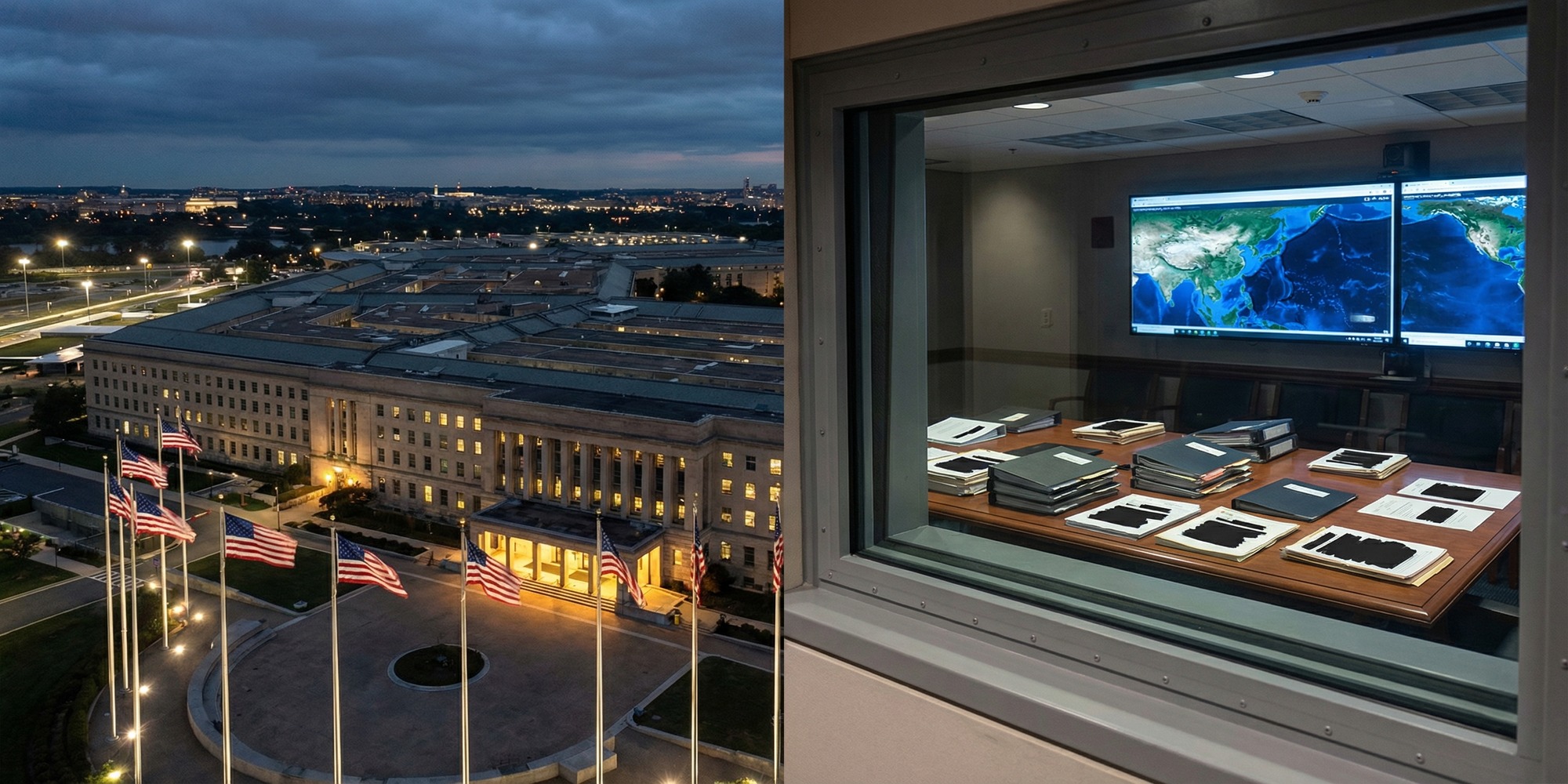
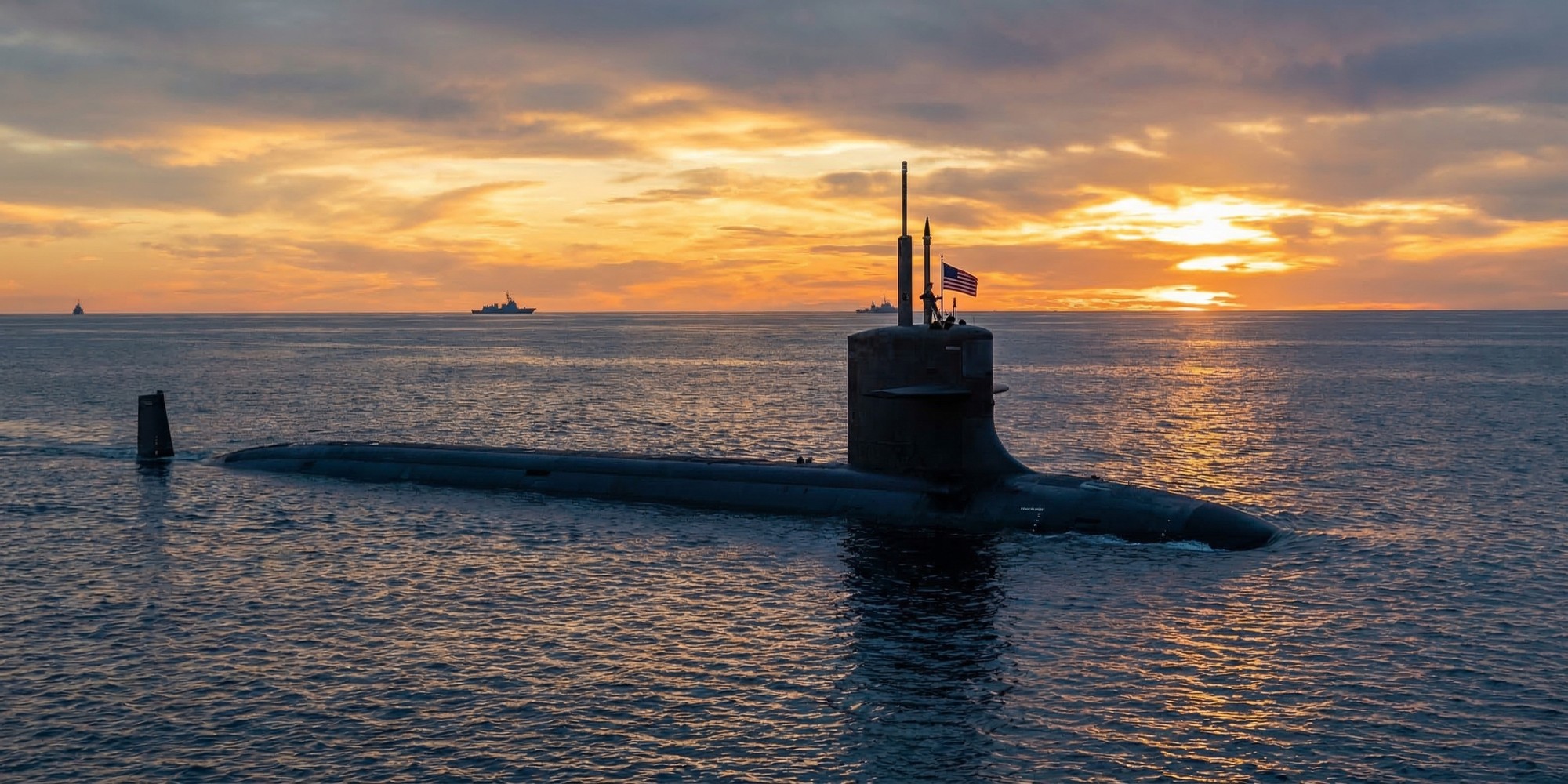
As Operation Epic Fury entered its third week of active hostilities against Iran, President Trump escalated his public posture significantly beyond the campaign's original military benchmarks. In a series of TruthSocial posts and remarks to reporters during the week of March 17, Trump issued explicit threats to destroy Iran's infrastructure — including energy facilities, ports, and power generation capacity — framing the potential expansion as a direct response to ongoing Iranian retaliatory strikes against Gulf state partners. The statements went well beyond the four objectives Trump had outlined in his February 28 TruthSocial announcement, and sent immediate ripples through the interagency process.
The threat represented a qualitative shift in the public narrative of the campaign. Where the initial strikes had targeted military infrastructure — ballistic missile sites, naval assets, nuclear program remnants, and command nodes — Trump's mid-March rhetoric invoked the wholesale destruction of Iran's civilian and economic foundations. That framing implicates not only the Laws of Armed Conflict and proportionality requirements under international humanitarian law, but also the domestic constitutional question of whether the Senate's March 4 rejection of war powers constraints was ever intended to authorize operations of this expanded scope.
Key Takeaways
- President Trump publicly threatened to destroy Iran's broader infrastructure — energy facilities, ports, and power systems — in mid-March 2026, well beyond Operation Epic Fury's stated military objectives.
- The statements raise immediate compliance concerns under the Laws of Armed Conflict, which require individualized proportionality review before strikes on dual-use civilian infrastructure.
- Secretary Rubio and the NSC have maintained a narrower public posture focused on military benchmarks, creating visible tension with the diplomatic back-channels opened through Oman and Qatar on March 19.
- After the Senate's 47-53 defeat of Sen. Kaine's war powers resolution on March 4, and a renewed floor debate on March 14, Congress retains no binding legislative mechanism to constrain the president's targeting rhetoric or operational scope.
Escalatory Rhetoric: What Trump Actually Said
The specific language Trump deployed marks a departure from the administration's prior communication discipline on targeting. In posts on TruthSocial during the week of March 17, Trump warned that Iran would "pay a massive, massive price" if its proxy networks continued attacks on Gulf state infrastructure, adding that the United States had the capability to "destroy everything they have — not just the missiles." White House officials declined to define the boundaries of that phrase when pressed by reporters at the March 18 briefing. Separately, Trump told reporters aboard Air Force One that he was considering "going after their oil, their ports, their power" as leverage to accelerate what he described as "the fastest possible end" to the conflict.
"We have the capability to destroy everything they have — not just the missiles. If they keep pushing, we're going after their oil, their ports, their power. Everything."
— President Donald Trump, remarks to reporters aboard Air Force One, March 18, 2026
Those statements carry operational significance beyond their rhetorical register. The Laws of Armed Conflict, as codified in Additional Protocol I to the Geneva Conventions and reflected in the U.S. Department of Defense Law of War Manual, prohibit attacks on civilian objects and require that military attacks satisfy the principle of proportionality — that anticipated civilian harm not be excessive relative to concrete military advantage. Explicitly threatening to destroy energy infrastructure and port facilities, which serve both civilian and potential military functions, implicates dual-use targeting standards that require individualized legal review and targeting authorization under existing DoD directives.
Legal and Doctrinal Stakes: LOAC Compliance and Targeting Precedent
Under DoD Directive 5100.01 and the Rules of Engagement applicable to Operation Epic Fury, individual target packages require Judge Advocate General review and must satisfy the military necessity, distinction, proportionality, and unnecessary suffering requirements codified in the Law of War Manual. Civilian energy infrastructure — power plants, oil refineries, port terminals — falls into the dual-use category: facilities that may provide military advantage but that also sustain civilian populations. Targeting dual-use objects requires a proportionality determination that explicitly weighs anticipated civilian harm, including secondary effects from power loss or fuel shortages affecting the broader population.
The targeting precedent concern runs deeper than the immediate Iranian case. The United States spent considerable diplomatic and legal capital after the 1991 Gulf War carefully delimiting its infrastructure targeting claims, avoiding assertions that could constrain future operations or invite reciprocal application by adversaries. Trump's explicit public statements — on record, attributable to the commander-in-chief — create a documented position that foreign governments, international legal bodies, and future administrations will cite when evaluating U.S. conduct. Scholars at the Brookings Institution have previously cautioned that publicly framed targeting doctrine, even when delivered as political rhetoric, carries constitutive weight in the formation of customary international law — binding not only against Iran, but against the United States in future conflicts.
The diplomatic dimension of these market consequences has been tracked closely by foreign policy analysts, as coverage by Foreign Diplomacy details the international reaction from allies and adversaries who are simultaneously processing Trump's rhetoric and recalibrating their own Iran-related risk assessments.
Internal Divisions: Pentagon, NSC, and the Diplomatic Track
The public divergence between Trump's rhetorical posture and the administration's institutional foreign policy apparatus is notable. Secretary of State Rubio, in his March 19 press conference confirming the reactivation of Oman and Qatar as diplomatic intermediaries, made no mention of infrastructure threats and described the campaign's objectives in consistently narrow military terms: destruction of Iran's ballistic missile capability and naval threat posture. That framing reflects the State Department's institutional logic — and it is difficult to reconcile with a public posture of total infrastructure destruction.
Diplomatic interlocutors in Muscat and Doha cannot credibly advance ceasefire talks while the U.S. president publicly threatens to destroy Iran's civilian power grid. The tension is not merely rhetorical: it affects the credibility of any eventual negotiated offer, since Tehran's decision-makers must weigh whether the administration that controls targeting decisions is the one communicating through State Department channels or the one posting on TruthSocial at 2 AM. According to reporting by Reuters and Politico, NSC officials have worked to ensure that Trump's public statements remain, in practice, aspirational rather than operational — that target packages approved through legal review do not include civilian objects that would fail the proportionality test, regardless of what the president says publicly.
Whether that internal discipline can hold as Iranian proxy attacks continue to provoke escalatory presidential responses is the central institutional uncertainty of the current phase of the conflict. The economic stakes of a prolonged infrastructure campaign have also drawn significant analyst attention — as Global Market Updates reports, Trump's explicit threats against Iranian oil and port infrastructure sent Brent crude above $85/barrel in mid-March, as markets began pricing the probability of a materially expanded strike campaign against Iranian energy infrastructure.
Congressional Dynamics: After Two War Powers Defeats
The Senate's March 4 defeat of Senator Tim Kaine's war powers resolution — which failed 47-53 along near-party-line, as we reported in detail — left no standing legislative mechanism to constrain the campaign's scope or impose targeting limitations. A subsequent Senate floor debate on March 14, initiated by Senators Murphy (D-CT) and Merkley (D-OR), revisited the war powers question in light of the campaign's expanding geographic footprint and Trump's escalating infrastructure rhetoric. That debate produced a non-binding sense-of-the-Senate resolution calling on the administration to publicly clarify its targeting parameters — a resolution unlikely to receive a formal vote before the spring recess and carrying no enforcement mechanism regardless.
Several senators, including members of the Senate Armed Services Committee, have signaled they will pursue alternative oversight mechanisms: classified briefings, appropriations conditions, and confirmation leverage over pending defense nominations. The administration's compliance with those mechanisms — and its willingness to provide substantive targeting-doctrine briefings rather than intelligence status updates — will be the practical test of whether Congress can exercise any meaningful oversight over an executive branch that has now declined the war powers framework as a binding constraint on two separate occasions.
Policy Implications: A Doctrine Problem With Lasting Consequences
The gap between Trump's March infrastructure destruction rhetoric and the institutional posture of the State Department, the NSC, and the Pentagon's legal apparatus is not merely a communications problem. It reflects a structural tension at the core of the current administration's Iran strategy: a president inclined toward maximum-pressure escalatory statements operating alongside an interagency apparatus that recognizes the legal, diplomatic, and strategic costs of actually executing that rhetoric. The divergence is consequential regardless of whether Trump's threats translate into operational orders. A documented public commitment to destroying everything Iran has significantly complicates the administration's capacity to offer a negotiated off-ramp — and an adversary that takes those threats at face value has less incentive to pursue the Oman and Qatar back-channels Rubio has carefully constructed.
The foreign policy question is not simply whether infrastructure strikes would accelerate Iranian compliance. It is whether an administration that has publicly committed to total infrastructure destruction retains the credibility required to reach a negotiated settlement — and whether the interagency architecture can continue to insulate targeting decisions from a public rhetoric track that increasingly points in a different direction. How that tension resolves will define not only the trajectory of the current conflict, but U.S. targeting doctrine and the functional limits of presidential war rhetoric for administrations to come. The infrastructure ultimatum is coercive rhetoric inside the same 2026 Iran–US war documented on the Armed Conflicts Map's Iran–US war tracker.
Related coverage
Related reading
- Oil Routes — Energy corridors, tanker risk, and commodity geopolitics.