OFAC Targets Russia's Oil Shadow Fleet as Europe Escalates Interdiction
With U.S.-backed Ukraine peace talks collapsed and Russia launching its spring offensive, Treasury's sanctions against Moscow's tanker evasion network face a new strategic test — and a complicated political one.
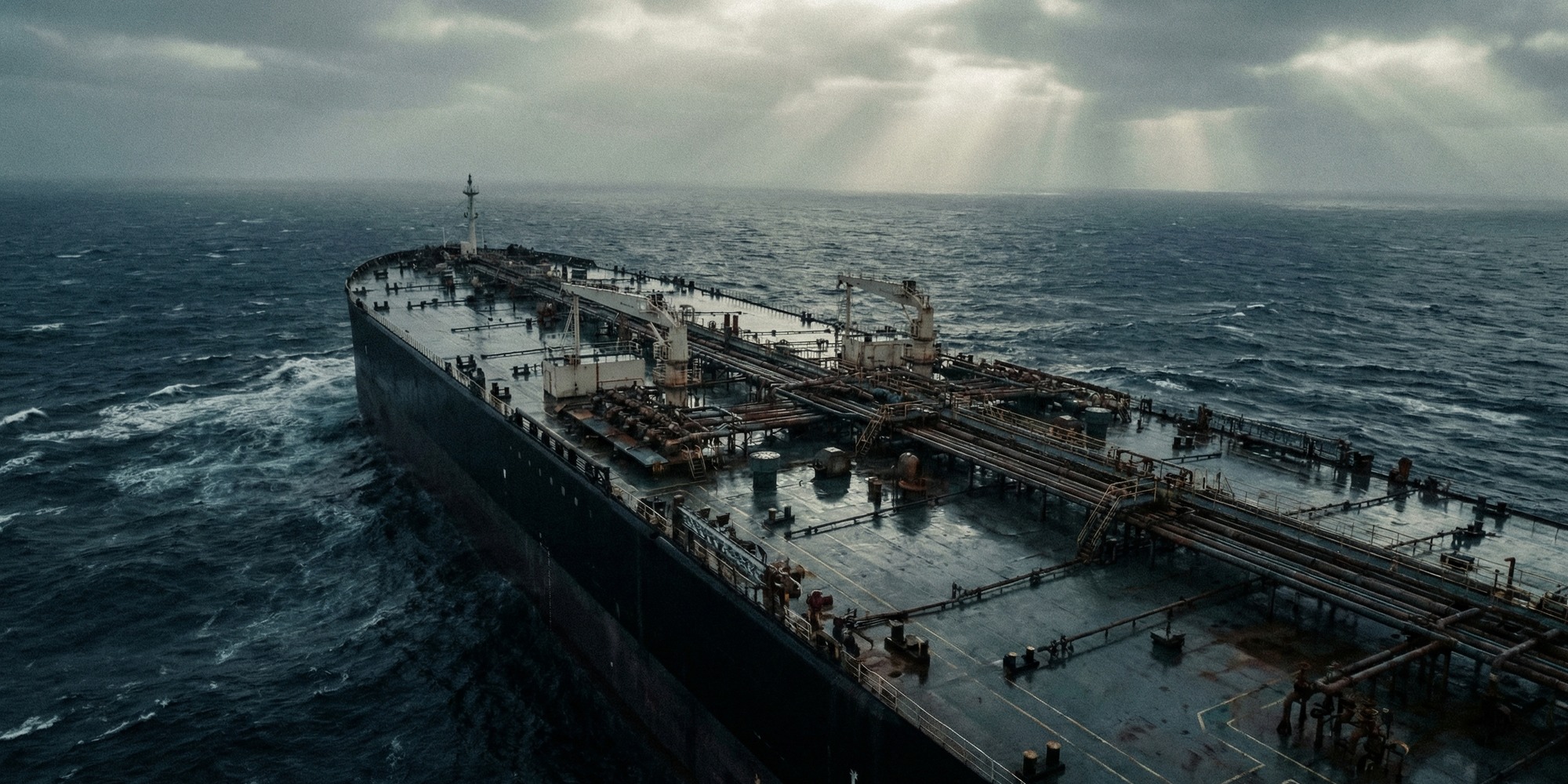
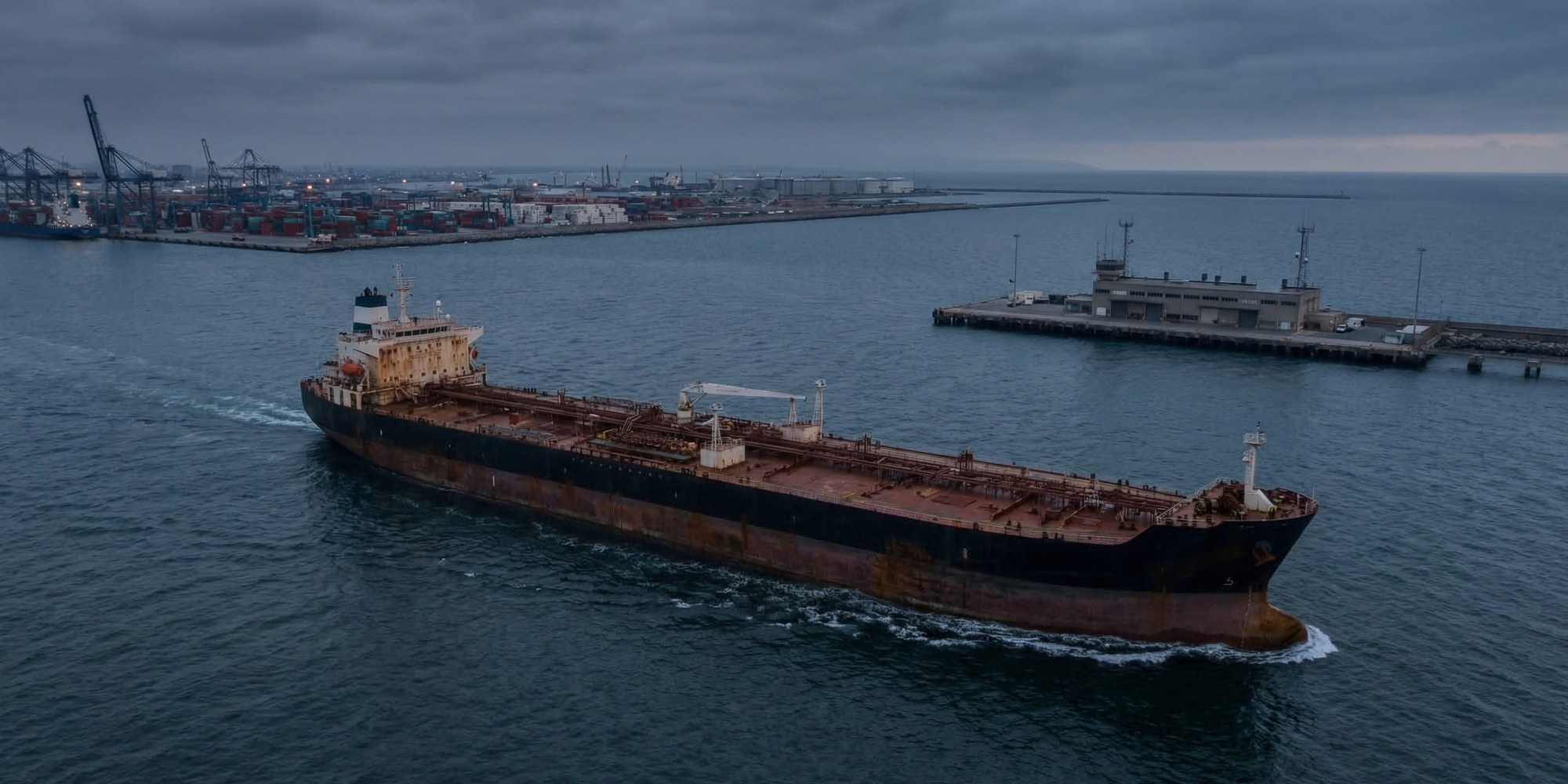
Three years after Russia's invasion of Ukraine compelled the G7 to impose the first-ever coordinated oil price cap, the enforcement architecture sustaining that regime faces its most complex political test. European nations are escalating interdiction of Moscow's shadow fleet — the estimated 600-vessel network of aging tankers, flag-of-convenience registries, and opaque holding companies that now carries roughly 70 percent of Russia's seaborne crude exports — while the Trump administration navigates the simultaneous pressure of maintaining sanctions pressure and pursuing a now-collapsed Ukrainian peace settlement. As reported this week, several European nations have intensified efforts to deny port access and maritime services to vessels flagged as shadow fleet participants, adding operational friction to a tanker network that has proved remarkably resilient to previous U.S. Treasury designation rounds.
The timing places the Treasury Department's Office of Foreign Assets Control (OFAC) in a politically delicate position. The Biden administration's January 2025 sweep — its largest-ever Russia sanctions action, designating 183 tankers and over 100 facilitating entities — handed the incoming Trump team a potent enforcement architecture that now conflicts directly with the administration's parallel Ukraine diplomacy objectives. Russia's decision this week to launch a new spring offensive as peace talks broke down has complicated that political calculus considerably.
Key Takeaways
- Russia's shadow fleet — roughly 600 vessels with opaque ownership and flag-of-convenience registries — carries an estimated 70% of Moscow's seaborne crude exports, undermining the G7's $60/barrel price cap mechanism.
- The Biden administration's January 2025 OFAC action, the largest-ever Russia shadow fleet designation, targeted 183 tankers and more than 100 facilitating entities; those designations remain in force under the Trump administration.
- Baltic states and the UK have stepped up port interdiction and maritime services denial in 2026, adding operational friction the U.S. designation campaign alone cannot fully supply.
- Russia's spring offensive and the breakdown of U.S.-backed peace talks reset the political calculus: the Trump White House now faces pressure to authorize new major OFAC designation rounds rather than hold enforcement in reserve as diplomatic leverage.
The Anatomy of Russia's Sanction-Evasion Network
Russia's shadow fleet emerged as the primary mechanism for sustaining Moscow's oil export revenues after the G7 price cap took effect in December 2022. The $60-per-barrel ceiling — announced jointly by the United States, European Union, and G7 partners — was designed to keep Russian crude flowing to global markets to prevent supply shock while capping the revenue Moscow could receive. The mechanism required that Western shippers, insurers, and financial service providers not facilitate the movement of Russian crude priced above the cap. Russia's response was to construct an alternative maritime infrastructure operating entirely outside the Western financial and insurance ecosystem.
Vessels were transferred to opaque beneficial ownership structures registered in the UAE, Turkey, and Hong Kong; reflagged under flag-of-convenience registries in Gabon, Palau, and Cameroon; and insured through non-Western protection-and-indemnity clubs operating outside the International Group of P&I Clubs, whose members collectively cover roughly 90 percent of global seaborne trade tonnage. By 2024, the European Parliament's Research Service estimated 600 to 650 vessels qualified as shadow fleet participants, with the fleet collectively carrying the substantial majority of Russia's crude-by-sea. Washington's response — a rolling series of OFAC designation packages targeting individual vessels, their registered owners, and the port agents and brokers who facilitate their operations — culminated in the January 2025 action that Treasury described as a "devastating blow" to Russia's oil export infrastructure.
"Today's actions target the key enablers who have helped Russia circumvent our sanctions and sustain its war machine. We are using every tool available to cut off the revenues that fund Russia's aggression."
— U.S. Department of the Treasury, January 10, 2025 press release on Russia shadow fleet designations
European Enforcement Escalates
The European dimension of shadow fleet enforcement has intensified considerably in 2026. Baltic states — Estonia, Latvia, Lithuania, and Finland — have been at the operational forefront, denying port access to vessels suspected of shadow fleet participation under EU restrictive measures that allow member states to refuse services at the port level. Denmark has exercised its authority to require technical inspection of tankers transiting the Danish Straits, creating a natural chokepoint for Baltic Sea-routed Russian crude destined for Asian buyers. The United Kingdom, operating its own independent sanctions regime following Brexit, has maintained parallel designation processes through the Office of Financial Sanctions Implementation (OFSI) and has pursued enforcement actions against London-based maritime intermediaries who provided services to designated vessels.
The practical cumulative effect of these multilateral interdiction efforts is growing operational friction: designated vessels face mounting difficulty accessing dry dock facilities for maintenance, obtaining insurance coverage, clearing ports, and securing the specialized maritime services — technical inspection, bunkering, pilotage — that allow seagoing vessels to function. As the G7 fracture analysis at Foreign Diplomacy has documented, however, coalition cohesion on Russia sanctions has faced the same centrifugal pressures that have complicated enforcement of Iran-related measures — with some European partners privately resistant to escalating measures that carry domestic energy price consequences.
The Trump Administration's Dual-Track Problem
The Trump administration's position on Russian oil sanctions has been the central unresolved tension in this enforcement story since January 2025. Unlike Iran — where the president has maintained and escalated maximum pressure with bipartisan Congressional support — Russia presents a more politically complex picture. Trump's stated objective of ending the Ukraine war through direct diplomatic engagement with the Kremlin created institutional resistance within the National Security Council and Treasury to authorizing new major OFAC designation rounds that would be perceived as provocative of the peace process and potentially harden Moscow's negotiating posture.
The breakdown of U.S.-backed Ukraine peace talks and Russia's decision to launch a new spring offensive resets that calculation. An administration that had been signaling willingness to offer sanctions relief as part of a diplomatic package must now reckon with an adversary that appears to have used the diplomatic window to regroup militarily. Congressional pressure from the Senate Foreign Relations Committee for continued and escalated enforcement has been the primary institutional check on any relaxation of Russia sanctions — and that pressure is now augmented by the political fallout from a failed peace track. The global energy market volatility already priced into crude futures means that any new major OFAC designation round targeting Russian tankers would add another supply-side uncertainty premium to an already-elevated oil price environment.
Policy Implications: Enforcement Capacity vs. Behavioral Change
The strategic question animating the Russia sanctions debate is whether the price cap and shadow fleet interdiction are achieving their stated objectives: constraining Russia's war revenues while keeping global oil prices stable. Evidence on both fronts is mixed. Russian oil export revenues declined from their 2022 peak — the International Energy Agency's February 2025 oil market report estimated Moscow generated approximately $15 billion monthly in petroleum export revenues, down significantly from 2022 highs but still substantial enough to fund continued military operations. Ural crude has traded above the $60 price cap for extended periods, supported precisely by the shadow fleet's demonstrated ability to route around enforcement, with the premium reflecting the residual risk that buyers and intermediaries accept in exchange for discounted access to Russian crude.
At the same time, the designation campaign has imposed real and measurable costs on Russia's maritime logistics. Vessel maintenance cycles have lengthened, insurance costs have increased through non-Western providers, and a growing number of designated tankers face genuine operational restrictions in ports willing to enforce Western interdiction measures. The gap between legal authority and behavioral change has long been the central challenge of sanctions as a foreign policy instrument — and it remains unresolved in the Russia case, where a determined sovereign actor has had three years to construct evasion infrastructure. For OFAC, the near-term question is whether the Trump White House will authorize new major designation rounds now that the diplomatic rationale for restraint has been undermined by Russia's spring offensive, or whether the administration's broader Russia policy review will keep enforcement in a holding pattern while strategic options are reassessed.
Conclusion
The infrastructure for escalated enforcement exists. The legal authorities are established, the European enforcement coalition is engaged, and the January 2025 designation architecture remains live and expandable. What has been absent is political authorization from an administration that until this week maintained the posture that sanctions relief was a negotiable component of a Ukraine settlement. Russia's decision to launch a spring offensive as diplomacy stalled removes that political rationale — and creates the conditions for a renewed U.S. enforcement push against the shadow fleet network that sustains Moscow's war economy. Whether Treasury will be directed to act on those conditions in the weeks ahead is the central near-term question in U.S. Russia policy.
Related reading
- Armed Conflicts Map — Conflict briefings and theater context.
- Oil Routes — Energy corridors, tanker risk, and commodity geopolitics.