U.S.-Iran Sanctions Reset Hits Limits
The administration is pairing new financial pressure with public discussion of sanctions relief. That mix can create leverage, but only if legal authority, congressional support, and enforcement capacity stay aligned.
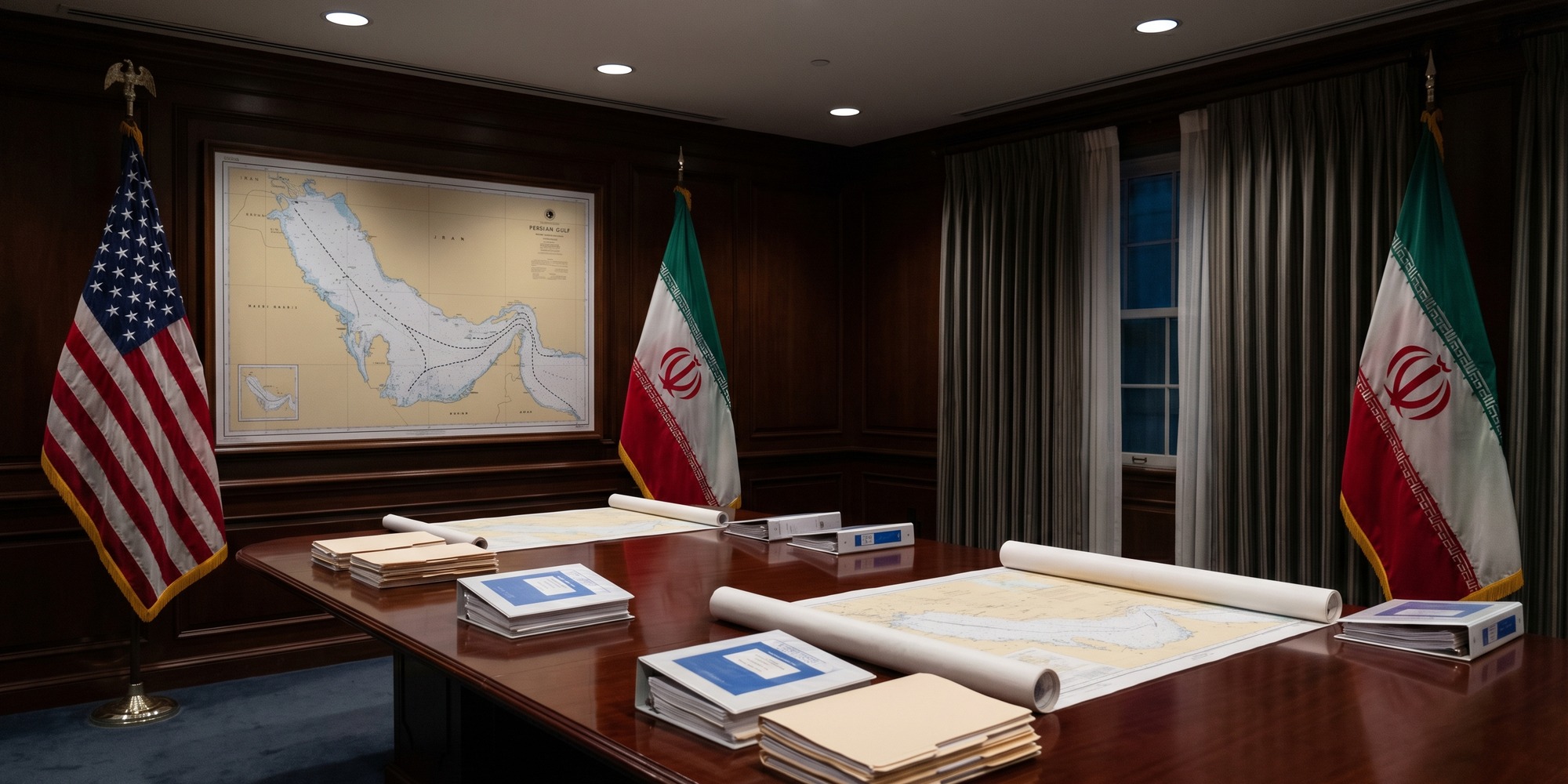
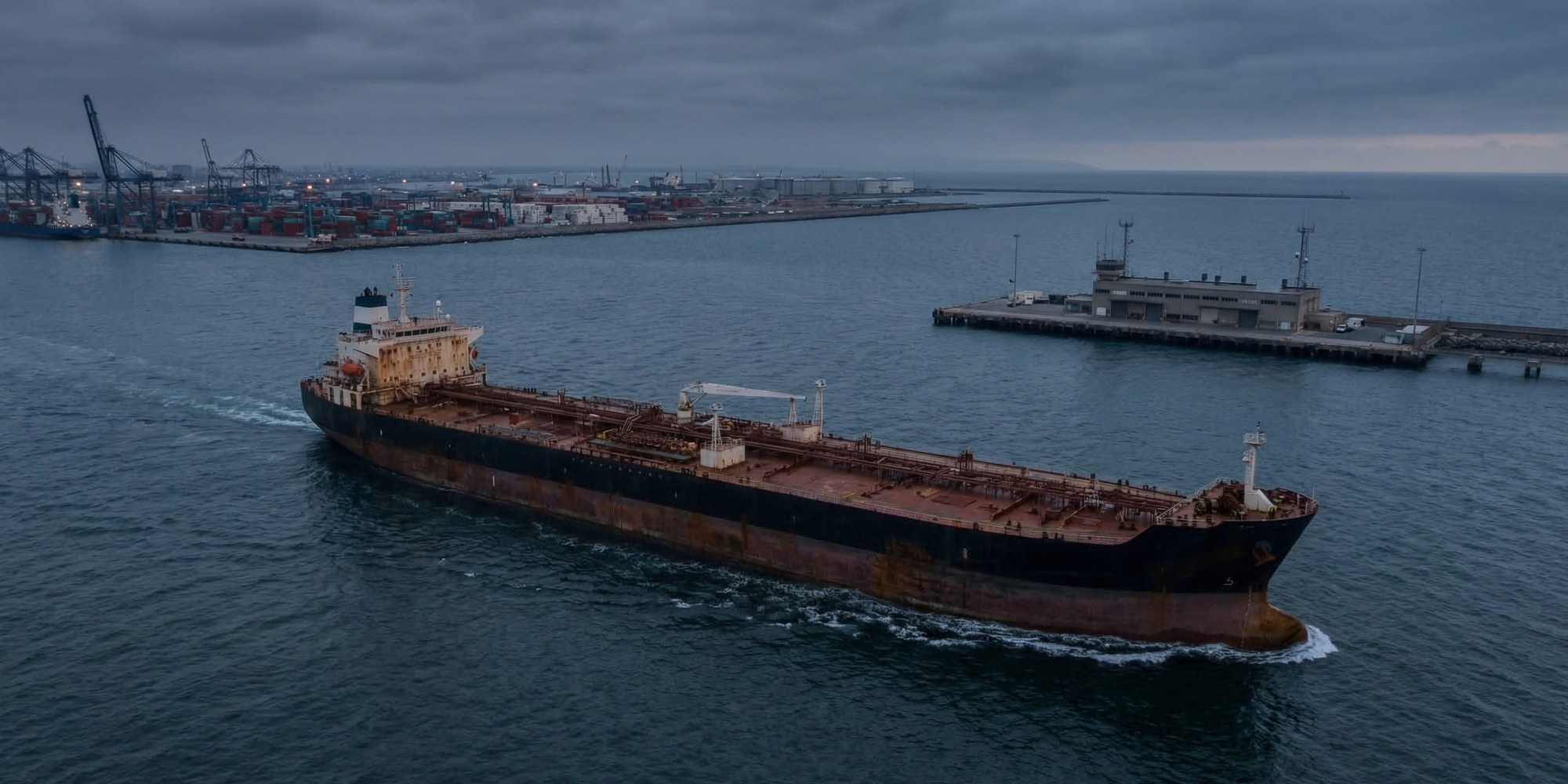
Washington is now sending two messages to Tehran at the same time. One is coercive: the Treasury Department’s February action designating more than 30 people, entities, and vessels tied to Iranian petroleum trade and weapons procurement networks. The other is conditional and diplomatic: public signaling that the United States is prepared to discuss tariff and sanctions relief if broader negotiations hold. That dual-track approach is not unusual in U.S. sanctions strategy. What is unusual is how quickly the legal and political constraints are tightening around it.
The pressure track is clear in official records. Treasury’s press release (SB0405) said OFAC targeted Iran’s shadow fleet and procurement channels under multiple executive authorities, including E.O. 13902, E.O. 13382, and E.O. 13949. The State Department also continues to formalize designations through public notices, including a February Federal Register notice documenting entities and vessels added to the SDN framework under E.O. 13846 authorities.
Key Takeaways
- Treasury’s SB0405 action targeted over 30 Iran-linked actors and 12 shadow-fleet vessels, reinforcing the enforcement side of “maximum pressure.”
- Reuters reported on April 8 that the administration is also discussing possible tariff and sanctions relief as part of diplomacy.
- The Supreme Court’s February ruling on IEEPA tariff authority narrowed unilateral trade options, raising the policy value of sanctions authorities that remain intact.
- Congress and allies will likely evaluate whether relief, if offered, is reversible, enforceable, and synchronized with verification.
What “maximum pressure” now means in practice
The administration’s baseline policy still points toward pressure. The White House’s NSPM-2 memorandum frames Iran policy around denying pathways to a nuclear weapon and expanding economic pressure on petroleum sales, procurement channels, and sanctions-evasion networks. Treasury’s February package translates that guidance into designations that affect shipping access, insurance, settlement pathways, and counterpart risk for traders handling Iranian barrels.
“Iran exploits financial systems to sell illicit oil, launder the proceeds, procure components for its nuclear and conventional weapons programs, and support its terrorist proxies.”
— Secretary of the Treasury Scott Bessent, Treasury press release SB0405
Reuters reported that these steps included sanctions on shadow-fleet vessels and associated commercial structures used to move Iranian petroleum and petrochemicals, while also targeting networks linked to missile and weapons production inputs. That mirrors a broader U.S. pattern: sanctions architecture is increasingly network-based rather than country-list based, focusing on facilitators, shipping intermediaries, and service providers that make sanctioned trade operationally possible.
Why the relief signal is harder than it looks
The diplomacy track introduces a different challenge. Reuters reported on April 8 that President Trump said Washington was discussing tariff and sanctions relief with Iran following a ceasefire announcement. In principle, relief signals can be used to test whether a counterpart is prepared to trade verifiable steps for economic access. In practice, relief commitments are only credible when legal authority is clear, sequencing is explicit, and snapback mechanisms are politically durable.
That legal backdrop changed in February when the Supreme Court ruled that IEEPA did not authorize the administration’s global tariff program, according to Reuters’ coverage of the decision. The ruling did not remove sanctions authorities under Iran-specific executive orders, but it did narrow one pathway for rapid trade coercion. The practical effect is that sanctions policy now carries more of the strategic burden, especially when the White House wants to combine pressure and inducements without waiting for new legislation.
This is where Congress matters. CRS has repeatedly emphasized in its Iran sanctions work that U.S. leverage depends not only on designation volume but on enforceability and durability across administrations. If relief is signaled too broadly, counterparties may discount future U.S. threats. If relief is withheld regardless of compliance signals, counterparts may discount future U.S. offers. The policy challenge is not choosing pressure or relief, but designing conditionality that survives both legal review and domestic political turnover.
Policy implications for sanctions and trade strategy
First, Washington will likely need narrower, sequenced relief offers tied to verifiable milestones instead of headline-scale promises. OFAC’s existing architecture, including licensing tools described on the Iran sanctions program page, gives policymakers flexibility to phase access without dismantling core pressure instruments.
Second, allied coordination will determine whether sanctions pressure remains multilateral or degrades into compliance arbitrage. If non-U.S. service providers believe enforcement risk is uneven, shadow-fleet activity will migrate rather than decline. That broader diplomatic angle is visible in parallel coverage from Foreign Diplomacy, which tracks how sanctions and maritime risk are increasingly negotiated together.
Third, U.S. markets and trade channels will continue to price sanctions policy as a volatility variable, not just a foreign-policy signal. Energy and shipping exposure in particular are reacting to each shift in coercive posture versus relief signaling, as seen in Global Market Updates’ oil-trade monitoring and related U.S. market coverage at US Market Updates.
Conclusion
The U.S. position toward Iran is not moving from pressure to accommodation. It is trying to run both simultaneously: expanding designations to preserve leverage while floating relief pathways to test diplomatic openings. That can work, but only if the sequencing is tighter than the rhetoric. The next phase will be judged on whether the administration can convert broad public signals into enforceable, reversible, and legally durable policy steps that allies can support and Congress can sustain. Those steps now sit inside the same 2026 Iran–US war whose ceasefire terms and enforcement picture are tracked on the Armed Conflicts Map's Iran–US war briefing.
Sources: U.S. Treasury SB0405; White House NSPM-2; Federal Register sanctions notice; Reuters (Feb. 25, 2026); Reuters (Apr. 8, 2026); Reuters (Feb. 20, 2026).
Related reading
- Oil Routes — Energy corridors, tanker risk, and commodity geopolitics.